

When Georgia heat and humidity settle in, choosing the right air-conditioning system can make a major difference in how comfortable your home feels—and how hard your HVAC equipment has to work. If you are comparing central air conditioning with a ductless mini-split system in Valdosta, GA, the right choice depends on your home's layout, existing ductwork, comfort preferences, and long-term goals.
Central air is generally a strong choice for whole-home cooling when a home already has properly designed ductwork. Ductless AC can be a better fit for homes without ducts, additions, garages, converted spaces, or homeowners who want more room-by-room temperature control. The best system depends on the property, not simply on choosing the newest or most efficient option.
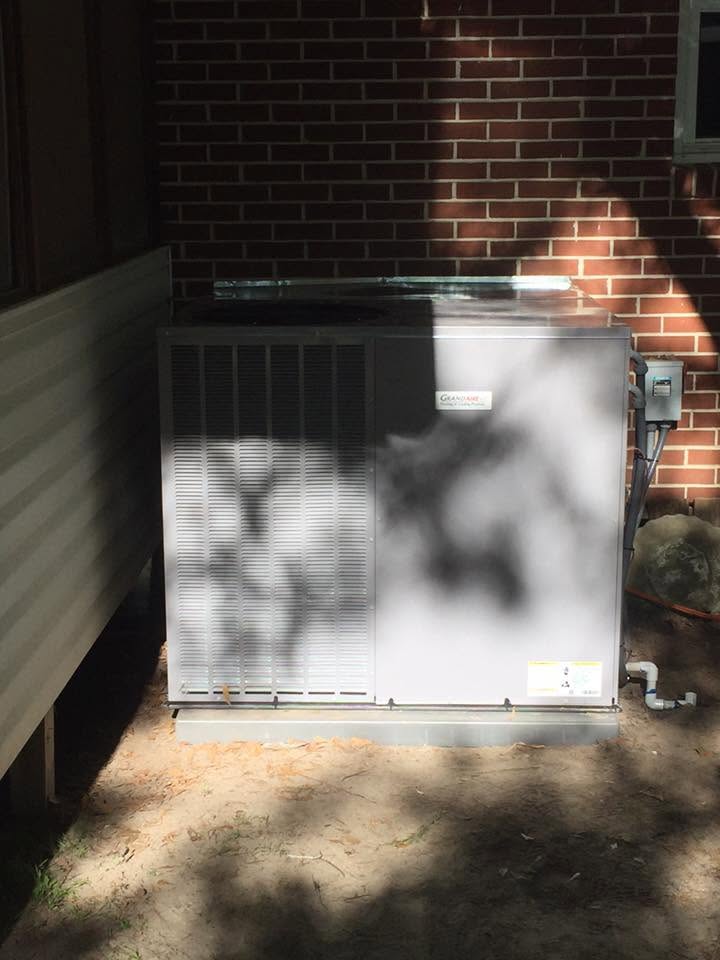
Central Air vs. Ductless AC: What Is the Difference?
The biggest difference is how each system distributes cooled air.
A central air conditioner uses an indoor air handler or furnace, an outdoor condenser, and a network of ducts and vents to distribute conditioned air throughout the home. It is designed to provide whole-home cooling from a central system.
A ductless mini-split system does not require traditional air ducts. Instead, an outdoor unit connects to one or more indoor air-handling units. Each indoor unit can provide cooling to a particular room or zone.
Both approaches can provide effective cooling. The question is which design makes more sense for your property.
Central Air Conditioning at a Glance
Central AC may be a good fit when you:
- Want to cool most or all of the home with one system
- Already have usable ductwork
- Prefer the appearance of traditional vents
- Want centralized thermostat control
- Are replacing an existing central air conditioner
Wright's provides central AC installation and evaluates factors such as home layout, airflow, ductwork, and system sizing when helping homeowners choose a new cooling system.
Ductless Mini-Split AC at a Glance
Ductless AC may make more sense when you:
- Do not have existing ductwork
- Need cooling for an addition or converted room
- Want independent temperature control in different areas
- Have rooms that are difficult to cool with the existing system
- Want to avoid installing or extensively modifying ductwork
Wright's currently offers ductless mini-split installation and repair in the Valdosta area.
Central Air Conditioning for Whole-Home Comfort
Central air remains a practical choice for many Valdosta homeowners because it can distribute conditioned air throughout a home using existing ductwork.
For a home that already has a properly designed and functional duct system, installing another central system can be a straightforward approach to whole-home cooling.
Benefits of Central AC
Central air can provide the following:
- Consistent cooling throughout connected living areas
- Centralized temperature control
- A familiar vent-based design
- Effective whole-home cooling
- Integration with existing HVAC infrastructure
However, the condition and design of the ductwork matter.
Poor airflow, undersized ducts, damaged ducts, or other distribution problems can affect how well a central AC system cools individual rooms. Wright's also provides air duct installation and custom ductwork solutions for homes where airflow and distribution need attention.
Ductless Mini-Split AC for Zoned Cooling
One of the biggest advantages of ductless AC is flexibility.
Instead of conditioning the entire house through a shared duct network, a ductless system can divide a property into individual comfort zones. This can be useful when different rooms have different cooling requirements.
For example, a homeowner may want the bedroom cooler at night without unnecessarily conditioning an unused guest room. A ductless system can provide targeted cooling where it is needed.
Ductless systems are also useful for spaces where installing traditional ductwork would be difficult or impractical. Competitors serving the Valdosta market similarly highlight ductless systems for homes without ductwork, additions, and individual comfort zones.
When Does Ductless AC Make More Sense?
Consider ductless cooling if you have:
- An older home without existing ductwork
- A new room addition
- A finished garage
- A converted space
- A room that consistently stays warmer than the rest of the home
- A need for more independent temperature control
Wright's ductless mini-split services are specifically intended for flexible comfort in spaces without conventional ductwork and for applications requiring more precise zoning.
Energy Efficiency: Central AC vs. Ductless
Energy efficiency should be part of the conversation, but homeowners should not make their decision based on efficiency ratings alone.
A ductless system can avoid the energy losses associated with distributing conditioned air through poorly performing ductwork. It can also allow homeowners to cool occupied zones instead of conditioning unused areas.
Central AC, however, can be highly effective when the system is properly sized, installed, maintained, and paired with well-designed ductwork.
Your home's insulation, windows, air leakage, system size, thermostat settings, duct condition, and usage patterns can all influence actual energy consumption.
That is why a professional evaluation is more useful than simply comparing equipment labels.
Which System Is Better for Humidity Control in Valdosta?
Cooling is only part of indoor comfort in South Georgia. Humidity matters, too.
An air conditioner removes moisture from indoor air as it operates, but comfort depends on proper system sizing, airflow, drainage, and overall operation.
A system that is oversized for a home may reach the thermostat setting quickly without running long enough to remove as much moisture as desired. Meanwhile, airflow or drainage problems can create additional comfort concerns.
Wright's AC services include evaluating airflow, system performance, drainage, and other factors that can affect cooling performance in Valdosta homes.
If you notice excessive indoor humidity, warm rooms, or water around your cooling equipment, professional inspection can help determine whether the issue involves the AC system, airflow, drainage, or another component.
What About Installation and Existing Ductwork?
The condition of your existing HVAC infrastructure should play a major role in the decision.
If you already have ductwork that is appropriately designed and in good condition, central AC may be a logical choice. If the ductwork is inadequate or the home does not have ducts at all, a ductless system may offer greater flexibility.
Installing new ductwork can also be an option.
Wright's provides air duct installation and custom ductwork solutions, so homeowners do not necessarily have to choose a cooling system based solely on the condition of their current ducts.
Central Air or Ductless AC: Which Is Right for Your Home?
There is no universal winner. Consider these factors before making a decision:
Choose Central AC When:
- You want whole-home cooling.
- Your home already has suitable ductwork.
- You prefer one central thermostat.
- Most rooms need similar cooling.
- You are replacing an existing central system.
Consider Ductless AC When:
- Your home does not have ductwork.
- You need cooling for an addition or separate space.
- Certain rooms have different comfort requirements.
- You want room-by-room temperature control.
- Installing traditional ducts would be disruptive or impractical.
A Hybrid Approach May Also Be Possible
In some homes, the best solution is not strictly central AC or ductless AC.
A ductless mini-split can potentially address a particular room or zone while an existing central system continues serving the rest of the home. Whether that approach makes sense depends on the property's layout and equipment.
A professional evaluation can help determine whether a dedicated ductless system, central AC replacement, ductwork improvement, or another approach is appropriate.
What Should You Consider Before Installing a New AC System?
Before choosing equipment, look beyond the brand name and advertised efficiency.
A professional HVAC evaluation should consider:
- Home size and layout – Different floor plans have different cooling requirements.
- Existing ductwork – Duct condition and design can influence central AC performance.
- Insulation and windows – Heat gain affects how much cooling your home needs.
- Room usage – Frequently occupied rooms may have different comfort requirements.
- Humidity concerns – South Georgia's climate makes moisture control an important consideration.
- Long-term plans – Think about whether you are improving the entire home or only one area.
- Installation quality – Correct sizing and professional installation are essential for reliable performance.
Wright's emphasizes properly matched AC installations and evaluates the home and comfort requirements before recommending a system.
Can Ductless AC Replace Central Air?
Yes, in some homes, but not automatically. A ductless system can serve as the primary cooling system when the property's layout and cooling requirements are appropriate.
However, the number and placement of indoor units matter. A single mini-split head may not effectively cool an entire multi-room home with closed doors and separated living areas.
The right configuration should be determined based on the home's layout, comfort requirements, and installation conditions.
Is Central AC Better Than a Mini-Split?
Neither system is inherently better for every homeowner.
Central AC can be the better solution for a home designed around ducted whole-home cooling. A mini-split can be the better option for homes without ducts or properties that benefit from targeted zoning.
The better question is
Which system will provide reliable cooling, appropriate airflow, humidity control, and practical long-term operation for your specific home?
That is where professional system selection becomes important.
How Maintenance Affects Both Types of AC
Regardless of the system you choose, regular maintenance can help protect performance.
In Valdosta's long cooling season, HVAC equipment may operate for extended periods. Routine maintenance can help identify issues involving airflow, electrical components, drainage, refrigerant, and other system conditions before they develop into larger problems.
Wright's offers HVAC maintenance and AC maintenance in Valdosta, including inspections designed to identify developing problems and help systems operate more reliably.
For homeowners who are already experiencing warm rooms, weak airflow, unusual noises, water around the system, or longer cooling cycles, an inspection may be more appropriate than simply waiting for the next scheduled tune-up.
Choosing between central air and ductless AC is ultimately about finding a system that fits your home—not simply choosing whichever option sounds more efficient or modern.
If your home already has functional ductwork and you want whole-home cooling, central AC may be the right fit. If you have a home without ducts, an addition, a difficult-to-cool room, or a need for more precise zoning, ductless AC may deserve serious consideration.
At Wright's Heating and Air Conditioning, we provide AC installation, AC replacement, ductless mini-split installation, ductwork, repair, and maintenance services for homeowners in Valdosta and surrounding South Georgia communities.
Don't guess which system your home needs. Let our team evaluate your property, discuss your comfort concerns, and help you understand your options.
Call Wright's Heating and Air Conditioning at (229) 241-1066 to discuss central air, ductless AC, or your next HVAC project in Valdosta, GA.
You can also reach our team through the Wright's Heating and Air Conditioning contact page.
Frequently Asked Questions About AC Installation in Valdosta, GA
Is central air or ductless AC cheaper to install?
Installation costs vary depending on the property, equipment, existing ductwork, electrical requirements, and number of zones. A home with usable ductwork may be well suited to central AC, while a home without ducts may make ductless installation more practical.
Are ductless mini-splits good for Georgia summers?
Ductless mini-splits can provide effective cooling and targeted temperature control. They can be particularly useful in spaces without traditional ductwork or where homeowners want independent control over individual areas.
Does ductless AC use less energy than central air?
Not necessarily in every home. Ductless systems can reduce losses associated with inefficient ductwork and allow targeted cooling, but actual energy use depends on system efficiency, installation, home conditions, thermostat settings, and how the system is operated.
How do I know what size AC system my home needs?
AC sizing depends on more than square footage. Factors such as the home's layout, insulation, windows, airflow, and cooling requirements should be evaluated before selecting equipment. Wright's recommends professional evaluation and proper system sizing as part of AC installation.
Can ductless AC help with a hot room?
It can be an option for rooms that need independent cooling, particularly when extending existing ductwork is difficult or impractical. A professional should evaluate the room and determine whether ductless cooling is appropriate.
How often should I maintain my AC system?
For many homeowners, annual AC maintenance is a practical baseline, with spring being a common time to have cooling equipment checked before peak summer demand. Homes with heavy usage or older equipment may require additional attention depending on system condition.